


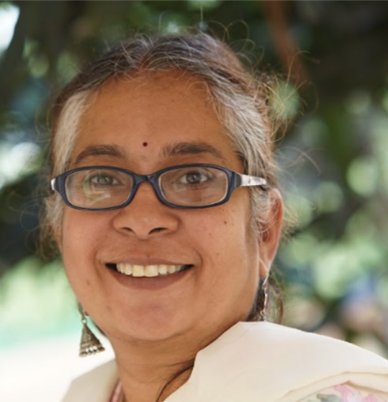
Dr. P. V. M. Lakshmi is a public health expert and faculty member at the Postgraduate Institute of Medical Education and Research (PGIMER), Chandigarh. Her work focuses on epidemiology, environmental health, infectious diseases, health systems, and maternal–child health, with extensive contributions to community-based research and policy-relevant evidence generation.
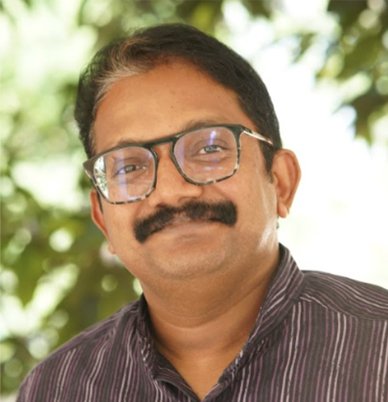
Dr. Vineeth Rajagopal is a clinician–academic in Family Medicine and Associate Professor at the Postgraduate Institute of Medical Education and Research (PGIMER), Chandigarh, India. With over fifteen years of experience across primary, secondary, and tertiary levels of care, he brings a systems-oriented and people-centred perspective to clinical practice, medical education, and health research. Trained in one of India’s earliest MD Family Medicine programmes, his work integrates frontline clinical care with community engagement, academic leadership, and policy-relevant scholarship.
His areas of expertise include comprehensive and community-oriented primary care, maternal and child health, non-communicable diseases, geriatric care, and One Health approaches that connect human, animal, and environmental health. His academic and field engagements align closely with priorities articulated by the World Health Organization, particularly the strengthening of primary health care, advancement of universal health coverage, and promotion of equity-oriented health systems.
Contact: drvineethrajagopal@gmail.com
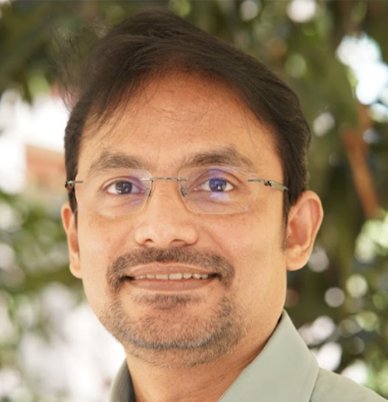
Dr. Venkatesan Chakrapani, MD, PhD, is Chairperson of the Centre for Sexuality and Health Research and Policy (C-SHaRP) in Chennai, and DBT/Wellcome Trust IA CRC Grantee at the Humsafar Trust in Mumbai. For more than two decades, his work has focused on documenting, explaining, and addressing health inequalities among India’s most marginalised groups, particularly sexual and gender minorities. His research provides critical evidence on how intersecting stigmas contribute to HIV risk and psychological distress, barriers to accessing essential healthcare (including gender-affirming services), and the design and uptake of effective interventions to reduce stigma and improve mental health. He has authored/co-authored over 100 peer-reviewed journal articles and six book chapters. He is a recipient of several fellowships, including NIH Fogarty fellowship (Yale University) and DBT/Wellcome Trust India Alliance Senior fellowship. (ORCID ID: https://orcid.org/0000-0001-9998-9135)
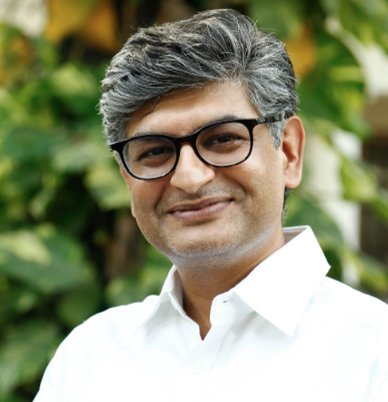
Chakraverti Mahajan is an Associate Professor in Anthropology at the University of Delhi. Dr Mahajan completed his Masters and PhD from Panjab University, Chandigarh. His doctoral work explores the impact of armed conflict on Hindu-Muslim relations in Jammu and Kashmir. He has been teaching in Delhi for a decade and was Charles Wallace Fellow (2021-22) at the Queen's University, Belfast, UK. Currently he is working on an Indian Council for Social Science Research (ICSSR) funded project on Social and Mental Health of Border Communities in Jammu and Kashmir and has just completed a collaborative project on Infertility and Psychological well-being funded by the National Commission for Women (NCW). His research on Jammu and Kashmir has been recognised by peers and professional bodies.
Email:cmahajan@anthro.du.ac.in
